
Seed To Life
100 SEEDS- Radish Red Rat's Tail- Non-GMO
100 SEEDS- Radish Red Rat's Tail- Non-GMO
Couldn't load pickup availability
🌱 Red Rat Tail Radish (Raphanus sativus) Seeds
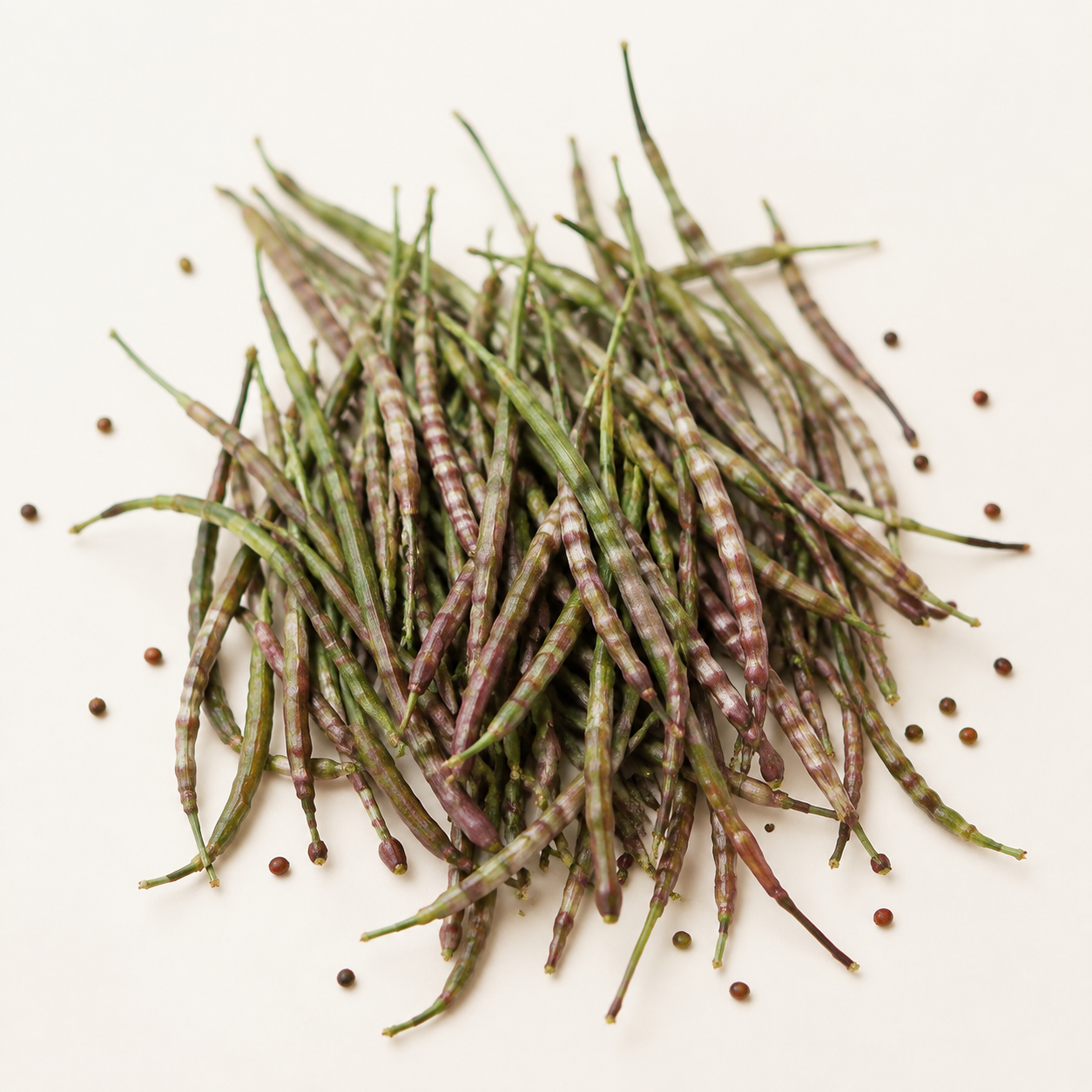
Grow Red Rat Tail Radish, a unique radish variety grown primarily for its crisp, edible seed pods rather than its roots. The plant produces long, slender, reddish-purple pods with a mildly spicy, radish-like flavor. The tender pods can be eaten fresh, added to salads and stir-fries, or pickled. This unusual and productive variety is an excellent choice for home gardens and edible landscapes.
Key Details
- Botanical Name: Raphanus sativus
- Common Name: Red Rat Tail Radish, Rat-Tail Radish
- Type: Cool-season annual
- Days to Maturity: Approximately 50–60 days
- USDA Growing Zones: 2–11 (grown as an annual)
- Plant Height: 3–5 feet
- Pod Color: Red to reddish-purple
- Pod Type: Long, slender, edible seed pods
Features
- Grown for its edible seed pods, not the root
- Produces abundant, slender red-purple pods
- Crisp texture with a mild to moderately spicy radish flavor
- Excellent fresh, stir-fried, sautéed, or pickled
- Attractive addition to vegetable and edible gardens
- Continues producing pods when harvested regularly
Growing Information
- Light: Full sun to partial shade
- Soil: Fertile, well-drained soil
- Seed Depth: 1/2 inch
- Seed Spacing: 4–6 inches
- Row Spacing: 18–24 inches
- Germination: Approximately 5–10 days
- Optimal Germination Temperature: 55–75°F
Direct sow seeds after the danger of severe frost has passed. Keep the soil consistently moist during germination and early growth. Provide support if the plants become tall or heavily loaded with pods.
Harvest
Begin harvesting the pods while they are young and tender, before they become tough or overly fibrous. Pick pods regularly to encourage the plant to continue producing. The flowers are also edible and attractive to pollinators.
Note: Unlike traditional radishes, Red Rat Tail Radish is cultivated primarily for its above-ground seed pods. The pods are the main edible portion of the plant.
Share