
Seed To Life
Blue Hopi Corn-30 Seeds
Blue Hopi Corn-30 Seeds
Couldn't load pickup availability
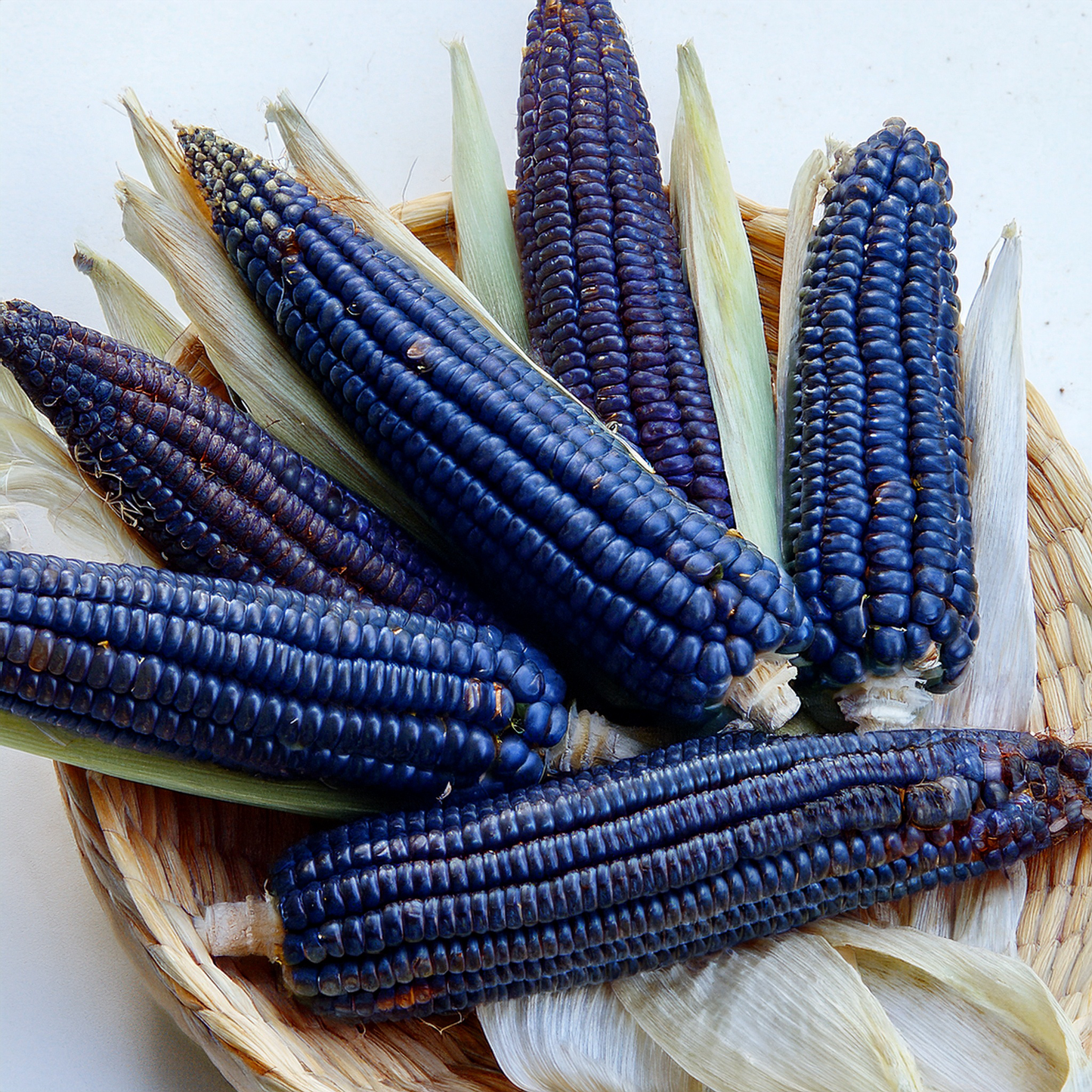
🌽 Blue Hopi Corn (Zea mays) Seeds
Grow Blue Hopi Corn, a traditional corn variety known for its striking deep blue to blue-purple kernels and excellent use as a flour corn. The colorful ears can be ground into flavorful cornmeal or flour and are also attractive when grown as an ornamental crop. This warm-season corn thrives in full sun and develops best during long, warm growing conditions.
Key Details
- Botanical Name: Zea mays
- Common Name: Blue Hopi Corn
- Type: Warm-season annual corn
- Days to Maturity: Approximately 90–110 days
- USDA Growing Zones: 3–11 (grown as an annual)
- Growth Habit: Upright
- Kernel Color: Deep blue to blue-purple
- Use: Flour corn, cornmeal, cooking, ornamental
- Plant Height: Approximately 5–7 feet
- Ear Size: Approximately 7–9 inches
Features
- Produces striking deep blue to blue-purple kernels
- Excellent variety for making cornmeal and corn flour
- Attractive addition to the vegetable garden and ornamental plantings
- Warm-season crop that performs well in sunny locations
- Tall, upright plants produce ears along the stalk
- Excellent choice for gardeners interested in traditional corn varieties
Growing Information
- Light: Full sun
- Soil: Fertile, rich, well-drained soil
- Seed Depth: 1–2 inches
- Plant Spacing: 8–12 inches
- Row Spacing: 24–36 inches
- Germination: Approximately 5–10 days
- Optimal Germination Temperature: 65–85°F
Direct sow Blue Hopi Corn outdoors after the danger of frost has passed and the soil has warmed to at least 60°F. Plant seeds about 1–2 inches deep and keep the soil consistently moist during germination.
For good pollination, plant corn in a block or several short rows rather than a single long row. Corn is wind-pollinated, and growing multiple plants together helps improve pollination and ear development.
Plant Care & Harvest
Provide full sun, fertile soil, and consistent moisture throughout the growing season. Corn requires adequate water during germination, tasseling, silking, and ear development.
Keep the planting area free of competing weeds, especially while young plants are becoming established. Side-dressing with compost or a balanced fertilizer during active growth can help support vigorous plants.
For flour corn, allow the ears to remain on the plant until the husks have dried and the kernels become hard and fully mature. Harvest when the kernels are dry and hard, then allow the ears to finish drying in a protected, well-ventilated location if necessary.
Blue Hopi Corn can be ground into corn flour or cornmeal for traditional cooking and baking applications. The mature blue kernels also make an attractive addition to fall displays and dried arrangements.
Share