
Seed To Life
Clasping Coneflower- 100 Seeds
Clasping Coneflower- 100 Seeds
Couldn't load pickup availability
Clasping Coneflower (Dracopis amplexicaulis) Seeds
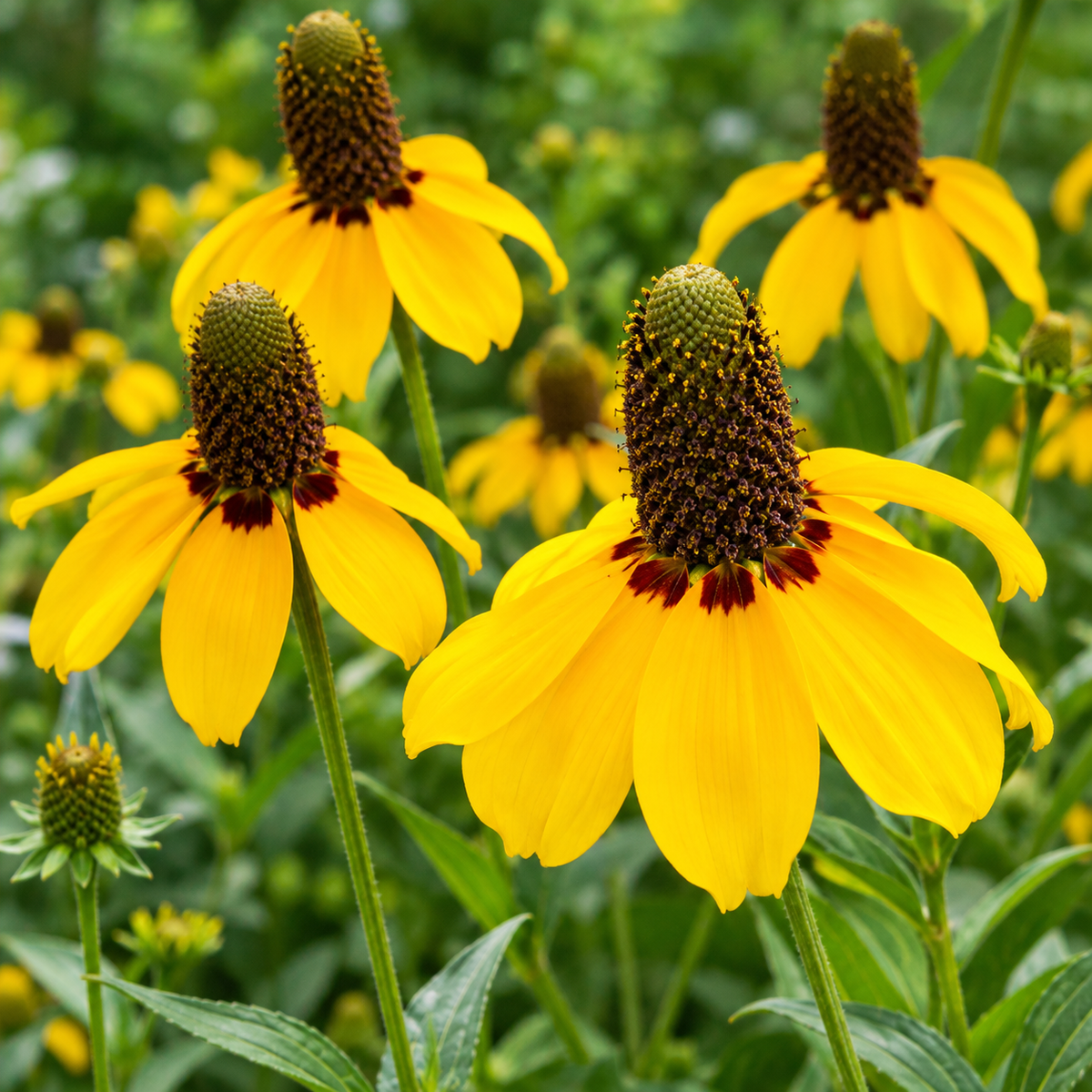
Grow Clasping Coneflower, a striking native wildflower known for its bright yellow, daisy-like flowers and distinctive leaves that appear to clasp around the stems. This fast-growing annual is an excellent choice for wildflower gardens, pollinator gardens, naturalized areas, borders, and sunny landscapes.
Key Details
- Botanical Name: Dracopis amplexicaulis
- Common Name: Clasping Coneflower
- Type: Annual Wildflower
- Days to Maturity: Approximately 70–90 days
- USDA Growing Zones: 3–9
- Growth Habit: Upright, branching
- Flower Color: Bright yellow with dark brown to black centers
- Flower Size: Approximately 1–2 inches across
- Plant Height: 24–48 inches
- Plant Width: 12–24 inches
- Bloom Time: Late spring through summer
- Frost Tolerance: Not frost tolerant; protect young plants from freezing temperatures
- Drought Tolerance: Moderately drought tolerant once established
Features
- Bright, cheerful yellow flowers with contrasting dark centers
- Distinctive clasping leaves that wrap around the stems
- Excellent native-style wildflower for sunny landscapes
- Attracts bees, butterflies, and other pollinators
- Well suited to meadow and naturalized plantings
- Relatively easy to grow from seed
- Can provide extended flowering when spent blooms are removed
Growing Information
- Light: Full sun
- Soil: Well-draining soil; adaptable to a variety of soil types
- Soil pH: Approximately 6.0–7.5
- Seed Depth: Surface sow or press lightly into the soil; do not cover deeply
- Plant Spacing: 12–18 inches
- Row Spacing: 18–24 inches
- Germination: Approximately 7–21 days
- Optimal Germination Temperature: 65–75°F
- Water: Keep soil evenly moist during germination and establishment
Direct sow seeds outdoors after the danger of frost has passed. Gently press the seeds into prepared soil rather than burying them deeply, as light can help with germination. Keep the soil consistently moist until seedlings emerge.
Once established, thin seedlings to provide adequate room for branching and airflow. Clasping Coneflower performs best in a sunny location and can adapt to average garden soil as long as it drains well.
Plant Care & Blooming
Water regularly while plants are young and becoming established. Once established, Clasping Coneflower can tolerate periods of dry weather, although prolonged drought may reduce flowering. Avoid consistently soggy soil.
The bright yellow flowers attract a variety of pollinators throughout the flowering season. Deadheading can encourage additional blooms, while allowing some flowers to mature and produce seeds can encourage natural reseeding in suitable garden conditions.
Note: Clasping Coneflower is an annual wildflower, so it completes its life cycle in one growing season. In favorable conditions, it may naturally reseed and return in subsequent years.
Share