
Seed To Life
Lovage – 50 Seeds
Lovage – 50 Seeds
- 🌱 Grown & tested in our Texas garden
- 🚚 Ships from Texas in 1–2 days via USPS
- 💬 Growing help by text or email
Couldn't load pickup availability
Lovage growing facts
| Botanical name | Levisticum officinale |
|---|---|
| Plant type | Perennial herb, USDA zones 4–8 |
| When to sow | Indoors 6–8 weeks before last frost or outdoors in early spring; fall sowing in warm regions |
| Sowing depth | 1/4 inch |
| Spacing | 18–24 inches |
| Germination | 10–20 days at about 65–70°F |
| Sun | Full sun to partial shade; afternoon shade in warm regions (zones 8–10) |
| Days to harvest | Light harvest first year; full harvest from second year |
| Height | 120–180 cm (4–6 feet) |
| Seeds per pack | 50 |
| Shipping | Ships from Texas within 1–2 business days |
🌿 Lovage – Hardy, Aromatic Herb With Bold Celery Flavor
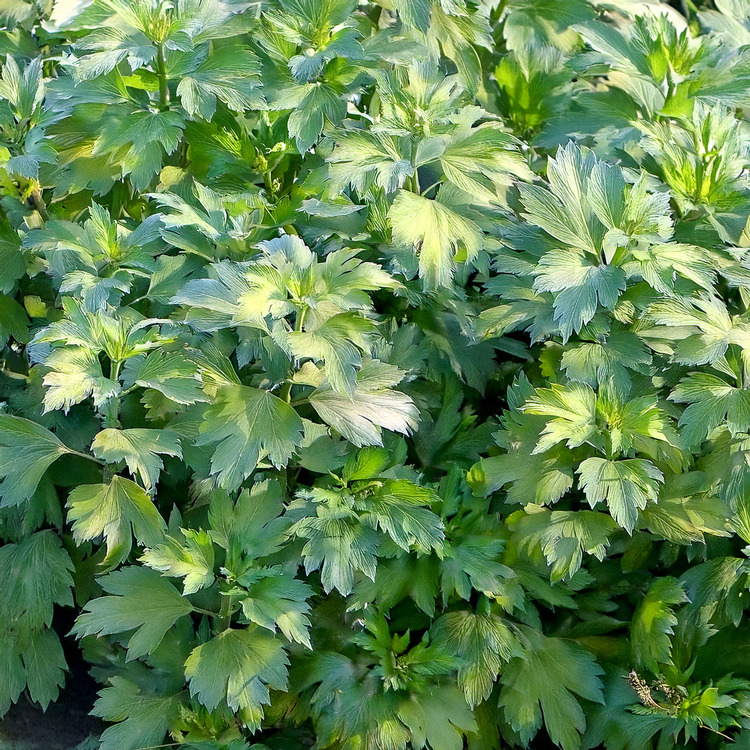
Give your garden a flavorful perennial boost with Lovage (Levisticum officinale). This robust, easy-growing herb delivers a strong celery-like aroma and taste, making it perfect for soups, broths, salads, and herbal teas. Its tall, leafy growth and versatility make it a favorite among chefs and gardeners alike.
Features:
Bold celery-like flavor in leaves, stalks, and seeds
Vigorous perennial — returns year after year
Tall, attractive plant ideal for herb gardens and edible landscapes
Excellent for culinary use: soups, stews, stocks, salads, teas
Pollinator-friendly and cold-hardy
Growing Info:
Height: 120–180 cm when mature
Prefers full sun to partial shade
Plant in rich, well-drained soil; keep evenly moist
Start seeds indoors or sow outdoors in early spring
Harvest young leaves for the best flavor
Lovage FAQ
Does lovage grow in hot-summer areas?
It prefers cooler summers and thrives in zones 4–8. In warm regions, give it afternoon shade and steady moisture; it may struggle in extreme heat.
Is lovage perennial?
Yes. It dies back in winter and returns each spring in zones 4–8.
Can I grow it in a container?
Yes, but it gets large. Use a pot at least 12–16 inches deep.
Which parts are edible?
Leaves, stems and seeds are used for their celery-like flavor.
Share
- 5 stars: 3 (100%)
- 4 stars: 0 (0%)
- 3 stars: 0 (0%)
- 2 stars: 0 (0%)
- 1 star: 0 (0%)
Seeds looked fresh and germinated well for me. Packaging was careful and clear.
Seeds looked fresh and germinated well for me. Packaging was careful and clear.
Seeds looked fresh and germinated well for me. Packaging was careful and clear.